Serialized Drama, Generated
An AI Drama Series Generator
For Serialized Episodes,
Not One‑Off Clips.
Feed Moosky a logline and a cast, and Project Director builds the season arc, storylines, and episode beats — then shoots each episode with the same faces, sets, and grade, plus cosyvoice narration. Seedance 2.5 and Wan 3.0 cinematic shots, billed in credits per pass.
Model Options
The engines behind your season
Pick per beat: a long single-take shot, a reference-locked scene, or a cheap pass to try the twist.
Seedance 2.5 for 30-second episode beats
Most drama engines stop at eight seconds and stitch awkwardly; Seedance 2.5 runs one continuous take up to 30 seconds with synchronized dialogue and ambience, so a confrontation can land in a single breath instead of four mismatched clips.
Wan 3.0 for reference-locked scenes
Attach character sheets once and Wan 3.0 keeps the same face, wardrobe, and set from the pilot to the finale. First and last frame control scripts each scene's destination, so a cold open resolves exactly where you planned it.
LTX 2.5 for scene drafts and twists
Rewrites are where a series budget dies. Run the alternate twist, the different ending, and the blocked coverage on LTX 2.5 at a fraction of the premium cost, then re-render the kept beat on your hero engine. Failed drafts refund automatically.
Example Outputs
Serialized shots from live showrunner runs
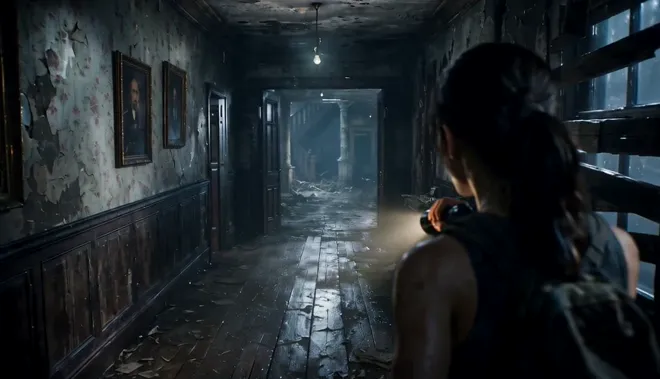
Reference-bound episode scenes from Moosky's cinematic engines — the same cast and grade, take after take.


Why use it on Moosky AI
Everything a season needs in one workspace
Arc, cast, narration, and the retake loop — a serialized pipeline, not a clip machine that forgets your characters.
Serialized arc
The story playbook turns your logline into season arc, storylines, and episode beats before any frame renders, so episodes follow a plan instead of a mood board.
Your cast stays your cast
Attach character sheets once; every episode locks the same faces, wardrobes, and sets as references across scenes, and takes that drift off-model get flagged.
CosyVoice narration
Clone the narrator's voice once on cosyvoice-clone, then every episode's narration, captions, and VO tracks arrive from the same voice. Consistency is a platform feature, not a perk.
The retake loop
Same scene, new direction: re-render a beat with a fresh line, angle, or ending until it lands, on the cheapest engine first, then hero-pass the keeper.
Credits per episode
The quote appears before each run. A full episode typically lands in the tens of dollars at 100 credits to the dollar, failed renders refund, and the balance never expires.
You keep the IP
Exports are watermark-free and cleared for distribution, festival submissions, and monetized channels. The series is yours, not the model provider's.
How It Works
From logline to premiere-ready episode in four steps
Brief the season
Hand over the logline, tone, and the cast — attach reference sheets or headshots so the faces are locked before episode one.
Approve the beats
Project Director proposes the season arc and per-episode scene lists; you approve in chat before anything renders.
Render the episode
Pick the engine per beat — see the exact credit price, then shots, narration, and audio assemble into one cut.
Export and continue
Download the finished episode watermark-free, keep the workspace open, and roll straight into the next one.
The season nobody could afford to shoot
Dana writes six-episode micro-dramas for a web channel that had never carried an original series — no crew, no cast budget, no sets. Moosky's story playbook took her logline and locked the arc, and Project Director shot each episode from the same character sheets: the lead's face, her sister's, their apartment.
The bottle episode tested the pipeline: one location, two characters, an argument that runs four minutes in coverage. Seedance 2.5 held the long takes; the two alternate endings cost three cheap LTX drafts plus one hero pass. Cosyvoice narration over the finale arrived from one cloned voice, and the finished cut hit the feed the same week.
Credit-based
Simple, honest pricing
Each episode run is quoted in credits on screen before anything renders, at 100 credits per dollar. Draft passes on LTX 2.5 cost a fraction of premium cinematic renders, failed generations refund automatically, and unused credits never expire between seasons.

More from Moosky AI
Explore our complete suite of AI tools.
Frequently Asked Questions
Can AI actually generate a whole drama series, not just one clip?
Yes — as long as the workflow is serialized and not a one-off prompt box. On Moosky that's Project Director on the story playbook: it turns your logline into a season arc, storylines, and per-episode beat sheets, then generates each episode's scenes against locked character and set references, and assembles the cut with narration. One workspace holds the cast, the style plate, and every episode, so episode seven still looks like episode one.
How does the series keep the same actors looking like themselves?
You attach character reference sheets once — face, wardrobe, build — and the engines treat them as locked bindings for every scene. Seedance 2.5 and Wan 3.0 both run reference kits, and takes that drift off-model are flagged for a retake instead of shipping quietly. Same technique as any casting sheet, applied per episode, across the entire cast.
Do I need to be a filmmaker to use this?
No. The playbook handles the parts a first-time showrunner usually hires for: structure, shot planning, pacing, and assembly. You supply the story sense — the logline, the characters, what each episode has to earn — and approve the proposed beats and takes in chat. It helps to know what you like: the more specific your reference shots and notes, the tighter the first cut lands.
How many episodes and how long can each be?
You decide per series. Each episode is its own run — scene list, renders, assembly — so a season is simply the episodes you greenlight. Individual shots run up to 30 seconds in one continuous take on Seedance 2.5, and episodes are assembled from multiple scenes; a typical web episode lands between one and six minutes, which is where the format performs best. There's no episode cap and no per-season license.
What do the models sound like — do my characters get voices?
Both cinematic engines ship native audio: dialogue, ambience, and movement sound arrive in the same pass, so a scene isn't a silent slideshow. For narration and off-camera VO you clone one voice on cosyvoice-clone and reuse it across every episode, which keeps the narration identity stable even as your cast's on-camera sound comes from the render itself.
How much does an episode cost?
Billing is per run, quoted on screen before anything renders, at 100 credits per dollar. A full episode — a scene list of several beats rendered with audio — typically lands in the tens of dollars, and draft passes for alternate endings on LTX 2.5 cost a fraction of the premium cinematic renders. Failed generations refund automatically, so experimenting with a twist doesn't double the budget.
Is this a replacement for a writers' room?
No — it's a replacement for the part where an indie series dies: the production. You still own the writing; the playbook helps you plan episode beats and scene lists from your premise, and you approve everything, but story judgment stays with you. Where it changes the math is coverage: a second ending, a different blocking, an insert nobody could afford to stage — all retake-loop cheap once the story exists.
Can I publish, monetize, or festival-submit episodes I generate?
Yes. Work you generate is cleared for commercial distribution under Moosky and the selected model-provider terms, exports carry no watermark, and you keep the IP on the series. Check both sets of terms before a festival or brand deal like you would with any production vendor, and keep your own records of the runs you published from.
Disclosure
Moosky AI is an independent platform provider and reseller of AI model access. Product names, model names, and company names shown on this page belong to their respective owners. Moosky AI is not officially affiliated with, sponsored by, or endorsed by those providers unless expressly stated. Page content, examples, and previews may include AI-assisted and synthetic content.