Cinematic stories, from a brief
One concept. Finished cinematic short film.
Type a story premise — or paste a finished short story — and Project Director adapts it into scenes, keeps your characters on-model from the first shot to the last, and assembles a narrative film.

AI Project Director
Plans every beat
Prose-to-scenes adaptation
Paste a short story, get a scene list
Character-locked continuity
Cast and world stay on-model
Quality checks built in
Re-take drifted shots
Faster production
From concept to cut—fast
Model Overview
Story playbook
A film feels cinematic because of a chain of shots — an opening image, rising tension, a payoff, and the same face and light in every frame. The Story playbook is built for that chain. Paste a premise or a finished short story, and Project Director adapts the text into scenes, holds your characters and world as locked references from first shot to last, flags any take that drifts off-model, and assembles the finished short with pacing and an optional score — all in one chat thread.
Explore the playbookSetup, rising action, climax, and resolution
A story sequence built for emotional payoff, not a product CTA.
Locked character and setting references across shots
Faces, wardrobe, and locations stay consistent from scene to scene.
Scene-by-scene assembly with pacing and an optional score
Review, revise, and export the cut at the dimensions you choose.
Draft scenes cheaply, then commit only the takes you keep
Lock the arc on low-cost drafts first; spend hero-render credits on the keepers.
Why use Project Director for stories?
Chat-driven production with character lock, quality checks, and credit-based runs. No subscription.
Built for cinematic stories
Open the Story playbook instead of a bare model picker, so generation starts from a script, a cast, and a scene plan — not a lone prompt box.
Adapt prose, not just prompts
Paste a finished short story or screenplay excerpt. The Director condenses it to a scene list, keeps the beats that carry the emotion, and flags what it cut.
A sequence, not a clip
Films live on scene-to-scene momentum — an establishing shot, a cut-in, a payoff. The Director plans and renders that sequence, then assembles it.
Cinematic, not phone-filmed
Wide establishing shots, motivated lighting, shallow-focus closeups, slow push-ins — camera language you would recognize from an actual film.
Style plate, locked once
Set one look plate — photoreal noir, sunbaked western, rain-slick neon — and every scene inherits that palette, grain, and light.
Continuity checks
The Director compares each rendered take against your locked character and setting references, so a recast face or swapped location gets caught, not shipped.
Score and pacing in the assembly
Add an original score and let the cut breathe — held beats for quiet moments, quicker pacing for the climax — instead of dropping raw clips into an editor.
Commercial story use
Publish your finished short to YouTube, Vimeo, or a festival screener under Moosky AI and the selected model provider terms.
Example Outputs
Cinematic stories from the community
Featured films tagged Cinematic Stories — projects first, then clips.


How it works
From concept to short film in four simple steps
Paste a premise or a whole short story, lock your cast and look, and Project Director scripts, renders, and exports the cut.
1. Pitch or paste your story
A one-line premise works; so does a finished short story or screenplay page. Attach character or location stills if you have them.
2. Lock cast and look
The Director sets character references and one style plate — noir, western, neon — so every later scene inherits the same faces and film stock.
3. Script, then render
It adapts the prose into setup, rising action, climax, and payoff as locked cinematic scenes, then renders takes and flags any drift.
4. Assemble and export
Re-take the shots you dislike, add a score if you want one, and export the finished short at the dimensions you choose.
More from Moosky AI
Explore our full suite of AI tools.
Frequently Asked Questions
How much does a cinematic story cost?
Each rendered scene is its own run, so a 10-scene short costs about ten times a single Generate clip — plus any re-takes you ask for. Draft cheaply first: scene drafts cost a fraction of the hero render, so most writers lock the arc on drafts, then commit the keepers. There is no subscription.
Can I paste an existing short story or screenplay?
Yes — that is the fastest start. Paste the prose into the chat and the Director adapts it: it proposes a scene list with the beats that carry the emotional turn, tells you what it compressed, and asks before changing the ending. You can rewrite any proposed scene before a single credit is spent on generation.
How do you keep the same character looking the same in every scene?
You lock character and setting references once — faces, wardrobe, location — and the Director reuses them across the whole sequence. After each render it checks the take against the locked reference and flags the ones where the face, costume, or location drifted, so you re-take only that shot.
What is a style plate and do I need one?
A style plate is one reference image or short description that fixes the film's look — lens feel, palette, grain, light. You do not have to author one; naming a genre ('photoreal noir', 'sunbaked western') works. The plate is what stops scene seven from looking like a different movie than scene one.
How long can the finished film be?
The Director breaks your story into scenes and renders each as its own clip, then assembles them in order, so runtime grows with scene count rather than one model's clip cap. A 1-3 minute short is the typical first project; longer pieces just mean more scenes and more credits.
Can I start a story without an account?
You can open the workspace and shape the premise without signing in. Sign in is required before the agent generates scenes or saves the project, so drafts stay with your account.
Can I publish the finished short commercially?
Yes. Shorts made with the Story playbook can be published, entered, or monetized under Moosky AI and the selected model provider terms. Check both before a festival or brand deal.
Was the hero film really made start-to-finish in Project Director?
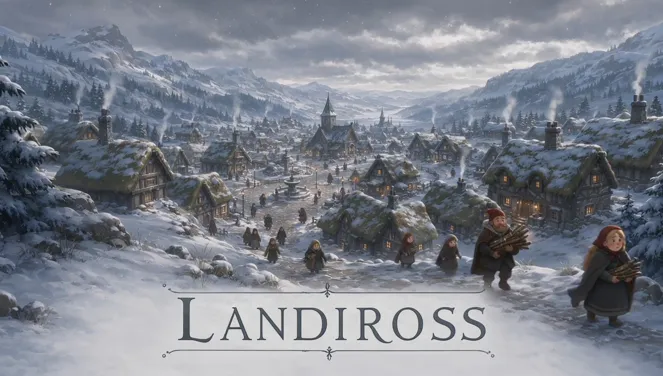
It was — scripted, generated scene by scene, and assembled inside the product as a live demo of the Story playbook. It is a product proof rather than a client commission, which is exactly the workflow you get when you open a new project.