Moosky Speak AI Video
Audio‑driven talking video from a still frame
Upload speech audio and a portrait or product frame, then generate lip-synced video for explainers, presenters, and short-form dialogue.
Model Overview
Moosky Speak
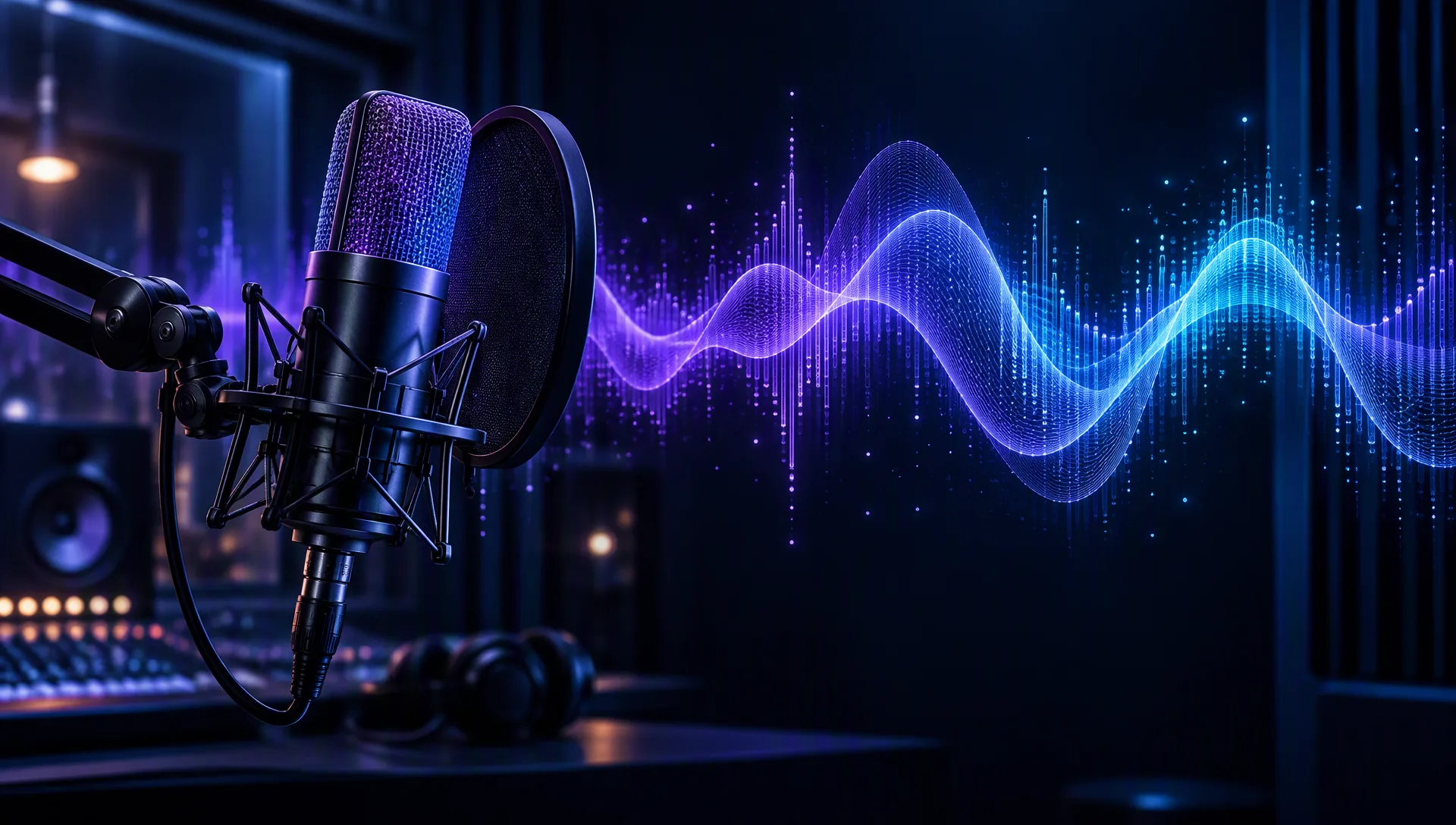
Moosky Speak turns an audio track plus a starting image into a talking or audio-driven video clip. It is built for lip-sync content, presenter-style delivery, and visuals that follow the timing of uploaded speech.
Why use it on Moosky AI?
Model-specific controls with no subscription, clean outputs, and a workflow built for fast creative iteration.
Audio-first workflow
Let the uploaded speech set pacing while you describe visible delivery and gestures.
Lip-sync friendly
A strong fit for presenters, explainers, and dialogue anchored to a still subject.
Frame control
Use a portrait, product shot, or character still as the visual anchor.
Credit-based pricing
Pay per generation without a monthly subscription.
How it works
Three focused steps from setup to finished output.
Credit-based
Simple, honest pricing
Uses Moosky credits with cost shown before you generate. No subscription required.
More from Moosky AI
Explore our full suite of AI tools.
Frequently Asked Questions
What inputs does Moosky Speak need?
Moosky Speak requires an audio file and works best with a starting image. The prompt should describe how the subject moves while the audio plays.
Is Moosky Speak only for talking heads?
Talking heads are the primary use case, but any audio-driven scene with a clear subject and visible motion can work when the prompt focuses on synchronized movement.
How is Moosky Speak different from other video models?
Moosky Speak is optimized for an uploaded audio track plus a still frame, driving lip movement from your own recording. Other Moosky video models generate motion (and audio) from a text prompt, which fits fully scripted dialogue or motion scenes without a pre-recorded voice track.